Posted by Content Marketing on 02 April 2026
How Digital Transformation is Revolutionizing Critical Infrastructure Communications
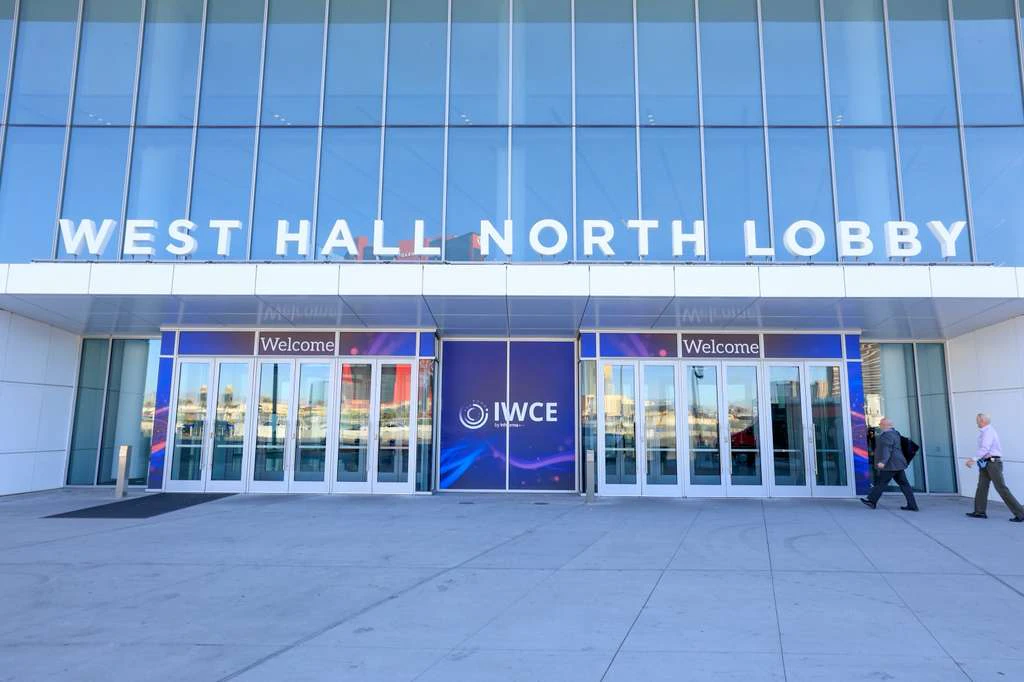
On Monday, March 16, at 2:30 PM, Tom Cooper of Avari Wireless delivered a compelling session titled "How Digital Transformation Evolved Communications in Critical Infrastructure" at W225. This power session, part of the First Responders track, explored the evolution of mission-critical communication systems and their role in critical infrastructure applications, from defense facilities to hospitals, transit systems, and beyond.
The Growing Need for Connectivity in Critical Infrastructure
As Tom Cooper emphasized, "The need for connectivity is only going to increase." Critical infrastructure facilities, such as airports, data centers, and hospitals, require robust communication systems to ensure safety, efficiency, and reliability. Avari Wireless, a leader in designing and manufacturing digital Distributed Antenna Systems (DAS), is at the forefront of addressing these needs. Their expertise lies in creating solutions for large, complex buildings, including underground structures like subway tunnels.
Avari’s digital DAS solutions are built with end-to-end redundancy and self-healing architecture, ensuring mission-critical public safety communications remain operational even in the most challenging environments. For example, their systems automatically switch remote units to analog in case of failure, providing seamless connectivity without interruptions.
Why Digital DAS is the Right Tool for the Job
One of the key takeaways from the session was the importance of using the right tools for the job. As Cooper noted, "It’s not a one-size-fits-all. Use the right tool for the job." Digital DAS offers several advantages over traditional systems, including:
- Better Signal Reach: Digital systems provide superior coverage without signal deterioration, making them ideal for large and complex facilities.
- Scalability and Flexibility: These systems can adapt to the unique needs of each building or campus, ensuring tailored solutions for every scenario.
- Self-Healing Capabilities: Avari’s multi-tier DAS architecture is designed to recover automatically from failures, ensuring uninterrupted communication for first responders and other critical users.
Addressing Infrastructure Challenges
Critical infrastructure faces unique challenges, including noise, evolving regulations, and the need for best practices. Drawing lessons from cellular technology, Avari has developed innovative solutions that incorporate broadband LTE and even AI. As Cooper pointed out, "It’s not just people talking to people anymore; it’s buildings to buildings, AI to AI."
Avari’s three-tier complex head-end redundancy architecture ensures that their systems are resilient and reliable, even in high-stakes environments like subway tunnels. Real-world use cases in the Bay Area and Toronto demonstrate the effectiveness of their solutions in providing seamless coverage in underground and other challenging locations.
The Future of Mission-Critical Communications
The session concluded with a forward-looking perspective on how mission-critical radio systems are evolving. Cooper stressed the importance of moving away from outdated approaches and embracing new technologies tailored to the specific needs of each facility. "You can’t just keep doing it the same old way. You need to look at each building or campus case by case," he said.
Avari Wireless continues to lead the way in designing and manufacturing digital DAS solutions for public safety, emergency responder communications enhancement systems (ERCES), LMR, and LTE. Their commitment to innovation ensures that critical infrastructure remains connected, secure, and prepared for the future.