Posted by Matt Swenson on 07 October 2026
Meet Sean Dixon, New President and CEO of Visit Colorado Springs

Come the end of October, Sean Dixon won’t be in Kansas anymore. The destination marketing veteran is set to take over later this month as president and CEO of Visit Colorado Springs, succeeding Doug Price, who is retiring after nearly 16 years at the CVB.
Dixon has an impressive track record. He’s been president of Visit Topeka since 2020. Prior to that, he served as marketing director for the Springfield, Missouri CVB. In Colorado Springs, he inherits several distinct attractions, including Pikes Peak and Garden of the Gods. It is also Olympic City USA, a title reflecting its status as home to many of Team USA’s National Governing Bodies and the U.S. Olympic & Paralympic Museum.
“There is tremendous depth to the visitor experience,” Dixon says of his new home. “The organization’s Destination Master Plan and strategic roadmap already emphasize increasing year-round visitation and inspiring longer stays. I’m excited to build on Doug’s legacy and work with the team and our partners to advance those priorities.”
Inspired Insights talked to Dixon about his next journey.
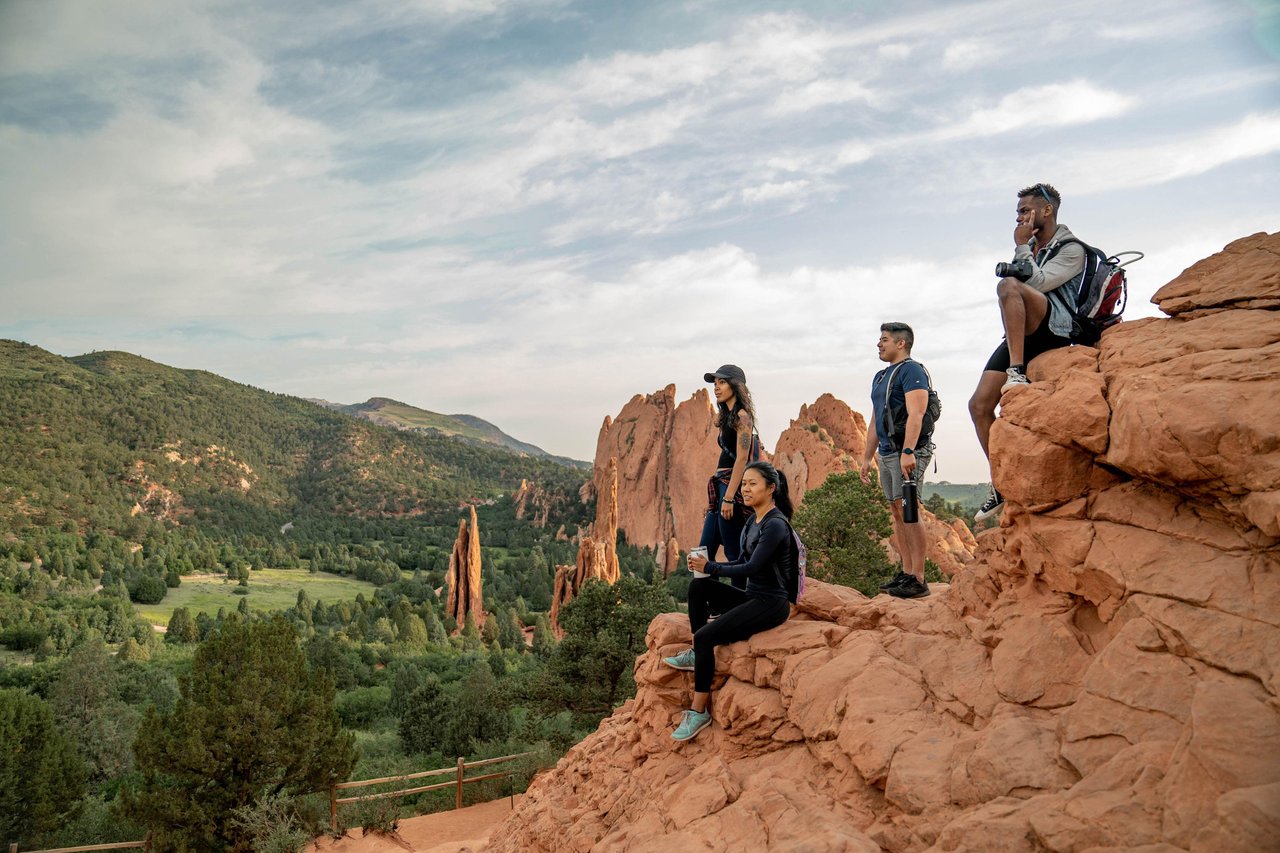 Garden of the Gods. Credit: Visit Colorado Springs
Coming from a mid-sized market like Topeka to a larger destination like Colorado Springs, what strategic shifts in your approach do you anticipate making to scale your destination marketing efforts?
I’ve worked with different levels of resources throughout my career, including a decade in Springfield, Missouri. Topeka sharpened my discipline around making every dollar work and building partnerships that could accomplish more than our budget alone.
Topeka Dino Days is a good example. We connected attractions across the community through coordinated programming and a shared campaign, creating something larger than any of us could have produced independently.
At a larger scale, the opportunity grows, but so does the expectation. My responsibility is to establish clear priorities, give the team the support to execute, and make sure we’re getting the greatest possible return from the resources entrusted to us.
How do you plan to differentiate Colorado Springs in an increasingly competitive leisure travel market, particularly against other mountain destinations in the region?
Colorado Springs offers a distinctive combination of natural beauty and experiences rooted in the identity of the community. It’s also one of the most accessible destinations. It has its own easy to navigate airport, where visitors can get from the terminal to trails in 20 minutes or less. There is also an emphasis on adaptive outdoor experiences so more people can enjoy that same access to adventure.
A visitor can explore Pikes Peak and Garden of the Gods, connect with the Olympic and Paralympic story, and discover the region’s museums, neighborhoods, restaurants, and cultural attractions. Someone might initially come for one iconic experience. Our job is to show them what else belongs in that trip and why another night, or two, would be worthwhile.
Olympic City USA is particularly compelling as we look toward the LA28 Games. That combination of nature, culture, sports, and community gives us a strong story that is distinctly Colorado Springs.
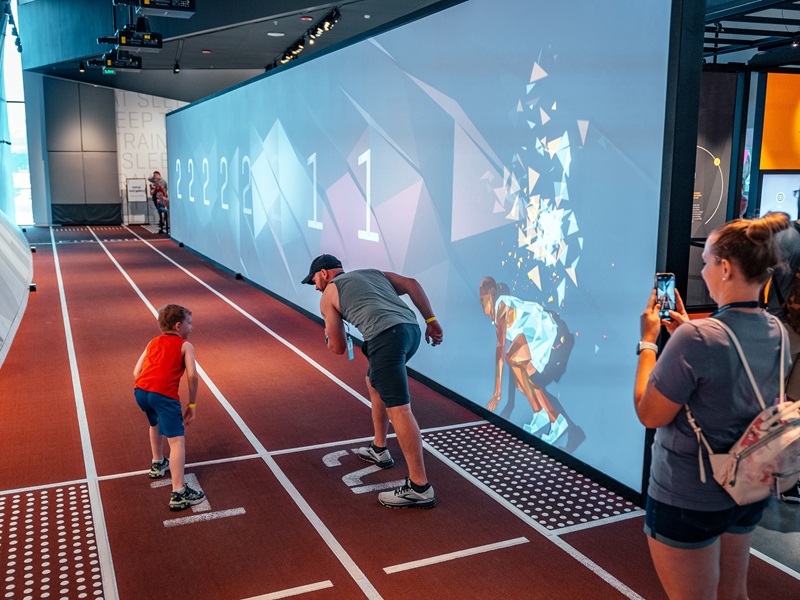 U.S. Olympic & Paralympic Museum. Credit: Visit Colorado Springs
What opportunities do you see for expanding Colorado Springs’ appeal to emerging leisure traveler segments, such as adventure tourists, wellness travelers, or multigenerational families?
I think the opportunity to step away from a screen and have a memorable, physical experience is increasingly valuable. Colorado Springs offers so many ways to do that, whether someone is looking for outdoor adventure, time to recharge, or a family trip.
The team is already thinking about these audiences and has developed itineraries around multigenerational travel, outdoor adventure, and wellness. There is also an interesting historical connection to wellness here. Colorado Springs originally grew in part as a destination for people seeking the climate and environment for their health.
I’m particularly interested in taking that thinking into the shoulder seasons. Creating compelling reasons to visit when the destination has greater capacity supports a more balanced visitor economy and gives travelers another way to experience Colorado Springs.
What tools do you see as the most effective at attracting travelers? Are they the same for vacationers and meeting attendees?
The tools change depending on the audience. Leisure travelers need help imagining and planning their trip. Meeting planners need accurate information about venue fit, hotels, transportation, costs, and support. Attendees need a reason to get excited about coming and perhaps arrive early or stay afterward. AI and search will continue to change how people discover us, but the fundamental challenge remains the same. Give people a reason to care and make it easy to take the next step.
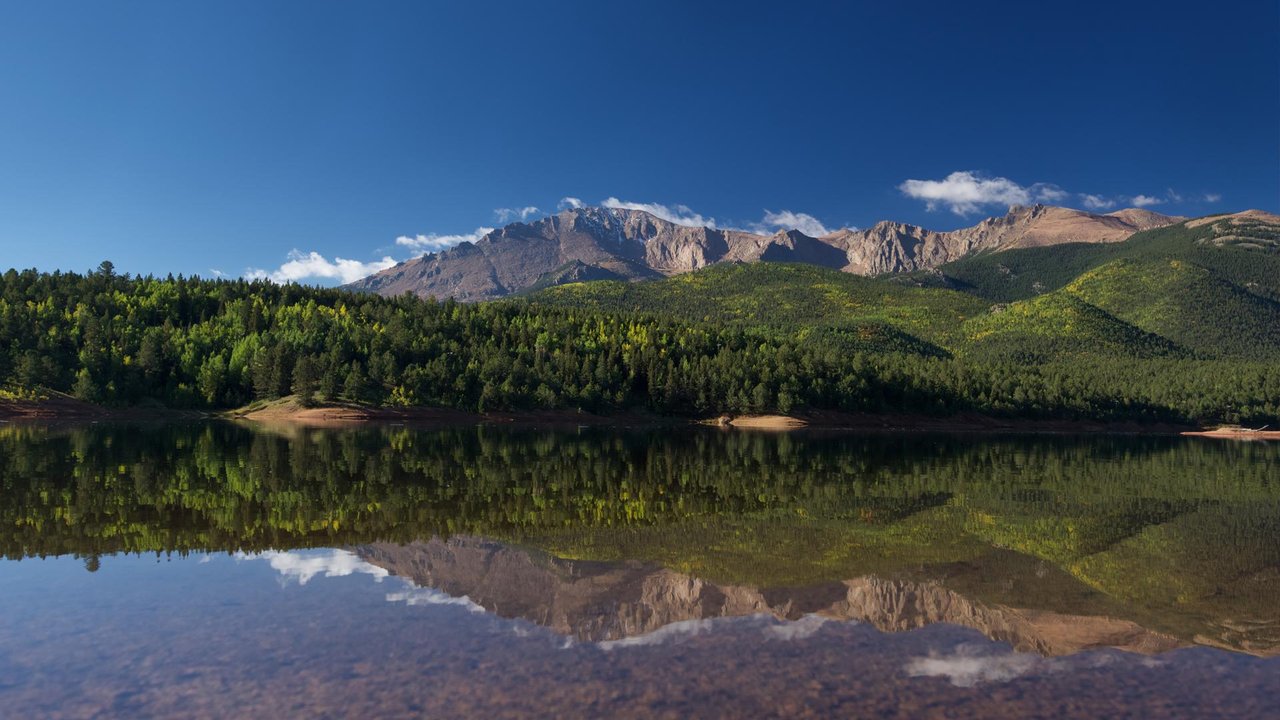 Pike's Peak. Credit: Visit Colorado Springs
How will you balance marketing resources between leisure and meetings segments, and are there specific geographic markets you’re targeting for growth in both areas?
I’ll start with the existing strategy and results, then work with the team and our partners to identify where additional investment can produce the greatest benefit. For leisure, I’ll look at visitor origins, access, seasonality, spending, and opportunities to extend stays. For meetings, I’ll look at qualified opportunities, conversion, room nights, and when that business delivers.
Geographically, I want to evaluate our established visitor markets and markets connected through Colorado Springs Airport. I’m not going to announce a new market list before completing that review. The goal is to make informed choices based on what’s working and where we see the greatest opportunity.