Posted by Shannon Thaler Cherry on 03 November 2026
Taste of Home Finds its Sweet Spot in Milwaukee

Thirty-three-year-old food and lifestyle media brand Taste of Home moved its headquarters to Milwaukee after a 2014 acquisition by Reader’s Digest Association. More than a decade later, it’s finally getting a taste of its own backyard.
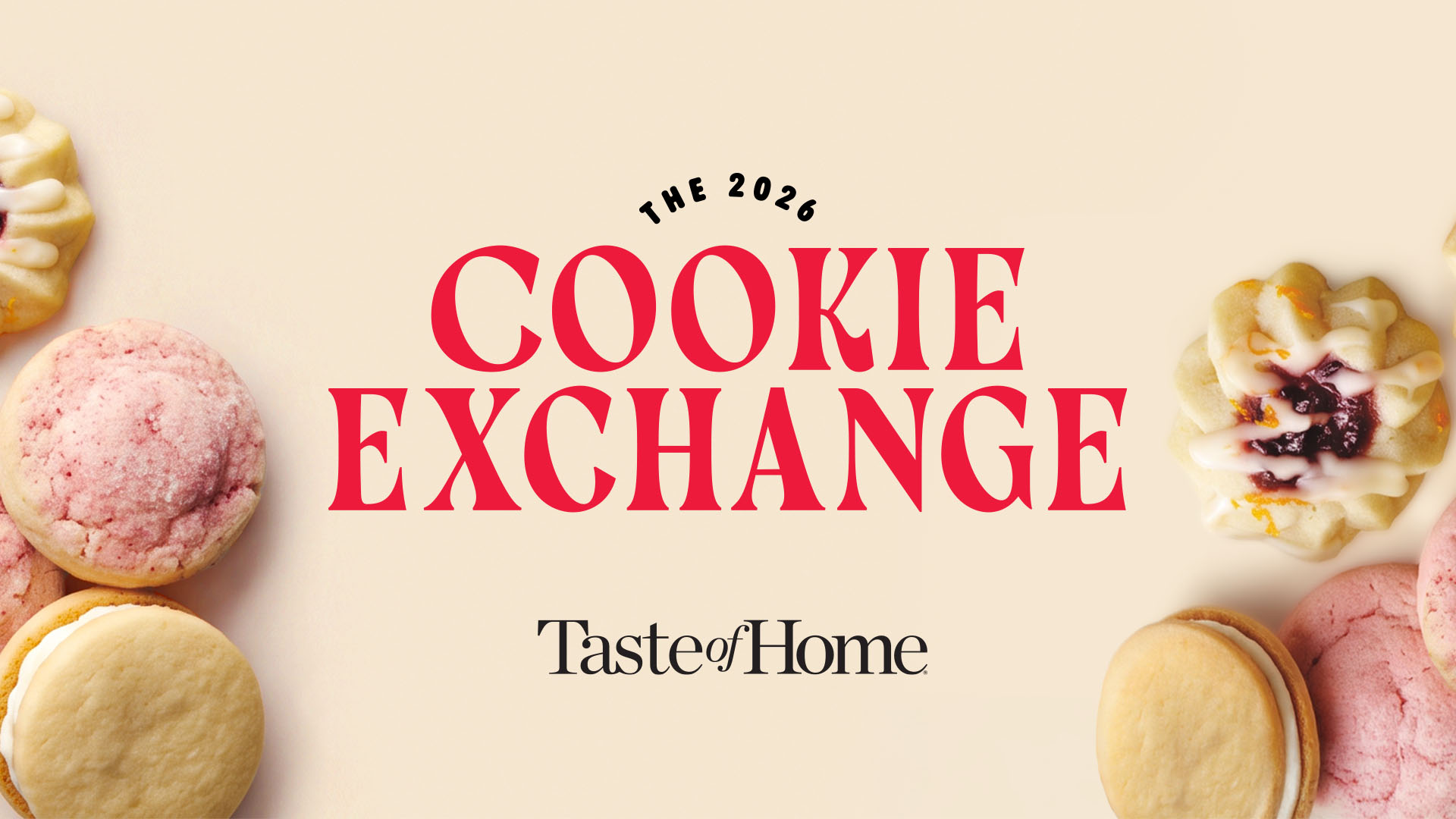
On Dec. 9, Taste of Home will bring its annual holiday Cookie Exchange to Milwaukee for the first time, adding a new ingredient to a growing strategy to double down on the Midwest. The event, which has sold out in Cleveland, Ohio, for the past three years, is the latest in a string of local activations designed to bring the brand closer to audiences in its hometown.
For Trusted Media Brands Chief Brand Officer Eric Gillin, the Cookie Exchange was an eye-opener. The event was the first he attended after stepping into the role last year, and the turnout left an impression.
“The event was packed,” he said, sounding a bit surprised. Tickets sold out in just seven minutes. All 300 attendees each baked 72 cookies, adding up to roughly 22,000 treats for fellow guests to sample and take home in boxes of two or three dozen.
When it became clear the event was ready to expand, Gillin wasn’t eyeing New York or Los Angeles—even after spending 25 years living in the Big Apple. Both markets, he said, tend to be “overfished,” with museums, pop-ups, and family-friendly activities constantly competing for consumers’ attention.
In smaller markets, “the audience development is different. The word of mouth is different,” Gillin said.
Milwaukee, of course, had another thing going for it: it’s where Taste of Home is headquartered. And over the past year, the brand has been making itself at home around the city, part of a broader push to meet its audience of more than 12 million print and digital readers where they are.
The recipe started with Summerfest, the massive music festival held along Milwaukee’s lakefront, where Taste of Home activated across three weekends in June and July through a partnership with Hellmann’s. (The collaboration was playfully dubbed Sandwichfest.) In August, the brand brought protein-ball cooking demonstrations to health and wellness festival PULSE, followed by a presence at the Freshwater Food & Wine Festival in September.
Now, it’s preparing to bring thousands of cookies to its home market at The Gage, a 7,000-square-foot event venue in West Allis. (The Cookie Exchange will stop in Cleveland first, on Dec. 1.)
The Overlooked Opportunity in the Heartland
The adage goes that “if you can make it in New York, you can make it anywhere,” but Gillin thinks it’s more like, “if you can’t win in your own backyard,” you can’t win anywhere.
It’s an opportunity he thinks brands often overlook when considering how to grow their communities and engagement. As Gillin sees it, lifestyle brands have become too fixated on urban audiences despite the much larger populations living beyond city limits.
“There are 85 million people roughly in an urban area in the U.S. There are twice as many people in the suburbs and exurbs, and yet when you look at the content that’s being created or the conversation that’s being had, all of the lifestyle brands are so focused on what urban folks might be into,” he said.
Taste of Home is leaning into that gap with a focus on the Heartland. The people “who shop at a big box store, or make recipes for 10 people because you have a bigger family and you all live within 30 minutes of each other and you don’t live in a studio apartment,” Gillin said.
For a brand built around cooking, baking, and home life, that audience offers a natural fit, and a chance to build relationships through experiences that reflect how its readers actually live.
Cookie Exchange...and Cultural Snapshot
For Gillin, the Cookie Exchange is also, in its own way, a display of what America’s all about. Take last year’s “Top Cookie” winner at the Cleveland event, for example.
“It was a cookie I’d never seen before,” Gillin said. “It tasted like a peach. It looked just like a peach with a little green leaf on it, and they were perfectly round. And I mean, this cookie was like knock your socks off.”
To Gillin’s surprise, he learned it was a regional specialty—a take on pesche dolci, an Italian peach cookie often found in bakeries around Cleveland’s Little Italy neighborhood. Elsewhere on the show floor, he encountered cookies descended from German and Swedish baking traditions
“And there will be a difference between the cookies that show up in Milwaukee versus Cleveland,” Gillin said. “And isn’t that America? Isn’t that more fun?”
The regional differences are part of what makes The Cookie Exchange compelling. And that local flavor could be an asset as the brand considers taking the concept beyond Cleveland and Milwaukee.
Gillin is thinking about further geocloning the event, though he declined to share which destinations are part of the conversation.
For now, Milwaukee could offer some clues. Where attendees travel from to participate may help identify other markets with enough built-in interest to support an expansion.
But ROI matters too. The Cookie Exchange has demonstrated that it can sell out. Now, Gillin is watching just how quickly tickets disappear—a measure of demand that could help inform the event’s future.
Beyond ticket sales and sponsorship, Gillin is eyeing the content produced on-site, and the number of impressions it generates. That content, along with the opportunity to build a stronger local community, could help make the Cookie Exchange a repeatable model for other secondary markets.
Subscribe to our newsletter, covering the top news, trends, and activations in destination marketing.